



How to say hello in Surinamese
In Surinamese (Sranan Tongo) you can say "hello" in different ways, depending on the context: Fa waka? → literally: How are you?
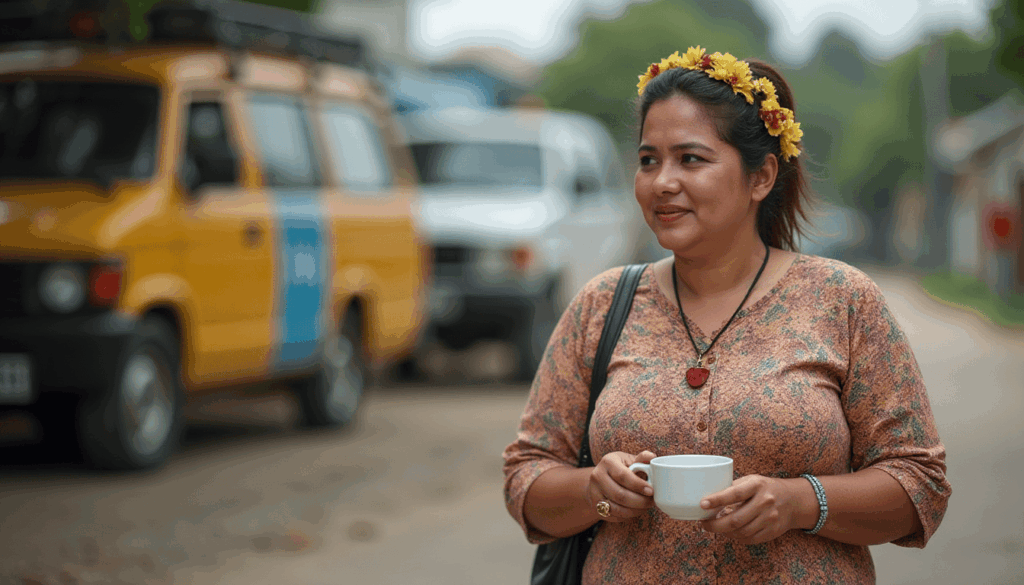
How to say hello in Surinamese
In Surinamese (Sranan Tongo) you can say “hello” in different ways, depending on the context:
-
Fa waka? → literally: How are you? (most commonly used as a greeting)
-
Fa? → short, informal version of “hello”
-
A bun? → Are you doing well?
-
Odi odi → traditional, respectful greeting (especially towards the elderly)
In everyday conversations, you hear “Fa waka?” most often.
Discover the versatile greeting cultures of Suriname
Do you want to make an authentic connection with the locals during your trip to Suriname? Then learning a few basic greetings in Surinamese Dutch and other languages is a great start. Suriname is a fascinating mix of cultures, and you can hear that immediately in the way people greet each other. In Western Suriname , you often hear “bar odi” or “tak odi” as an informal greeting. Young people on social media and the young audience are increasingly using “fa waka” to ask how things are going. When you meet someone in the morning, you can say “gu morgu,” which means “good morning.”
In a Surinamese conversation , it is important to be respectful. Questions such as “fa yu nen de” (what’s your name) or “fa ya tan” (how are you) show that you’re interested. If someone replies with “mi de” or “I’m fine”, you know that everything is fine. In the Javanese community, you hear other expressions, as mentioned in the Javanese Glossary, which emphasizes the diversity of the country.
From the rainforest to the lively markets: you can discover the country as the locals experience it.
Practical language skills for your Suriname adventure
From first greeting to real conversations
If you are arriving in Suriname for the first time and you take Taxi transport from the airport, it is perfect to immediately practice “mo gwe” (it’s going well) in response to a question from your driver. As you travel through different neighborhoods, such as Nieuw Brentje, you’ll find that locals appreciate it when you try to speak their language. A simple phrase like “a’e go” (it’s okay) shows that you’re making an effort to integrate.
Showing Cultural Nuances and Respect
Surinamese people attach great importance to respect, and that starts with how you address people. An expression such as disi na mi masra (this is my master/boss) is still used in formal situations. Not treating the elderly or authorities with respect is seen as a serious faux pas in Surinamese culture. For example, if you meet someone during a festive period such as Idul Fitre, the Islamic festival that is important to the Javanese community, make sure you use appropriate greetings. Onze Taal, the language institute, emphasizes that language use is directly linked to cultural values and identity.
Language differences by region and community
In various parts of Suriname, such as the district Bulacan area where Javanese influences are strong, you often hear Basa Jawa spoken. The Dutch Glossary that you find in schools helps children learn the official language, but on the streets you will hear a rich mix of Sranan Tongo, Dutch and local dialects. If you ask what it costs at a market, you will often get answers in a combination of languages. This linguistic richness makes Suriname unique in South America.
The role of language in modern Surinamese identity
Surinamese literature has played an important role in the preservation of local languages and expressions. Young writers and poets are increasingly using traditional greetings and expressions in their work, which contributes to cultural awareness. When someone says Oh no hey (oh no), you hear the typical Surinamese intonation that is difficult to learn from books. Right now literally means “right now”, but the way it is used varies by situation.
Learning Surinamese for Specific Situations
Whether you want to buy gym shoes in a local store or ask for directions, certain practical phrases are indispensable. The expression everything is here is often heard as confirmation that a store has full stock. When you make friends with locals, you also learn more informal expressions that are not in traditional dictionaries but are used on a daily basis.
Frequently asked questions
What are the main expressions in Basa Jawa that I should know?
In the Javanese community of Suriname, Basa Jawa is still spoken daily, especially in the interior and during traditional ceremonies. Basic greetings such as respectful salutations for the elderly are essential. The Javanese Glossary contains hundreds of expressions that will help you avoid treating people with disrespect . During celebrations such as Idul Fitre , specific greetings are important. Local guides often speak multiple languages and can introduce you to Javanese communities where this language is still alive, especially in agricultural areas outside Paramaribo.
How does the language in the district of Bulacan differ from other regions?
The district of Bulacan has a strong Javanese influence, so you hear more Basa Jawa than in western districts. In Western Suriname , Sranan Tongo and creole expressions such as bar odi and tak odi dominate. The Dutch Glossary used in schools also varies by region. Traveling through different districts allows you to experience this language diversity directly. Local markets clearly show these differences: in Javanese areas you hear different trade terms than in Creole neighborhoods such as Nieuw Brentje.
What do I need to know about language use on social media in Suriname?
Suriname's young audience uses a unique blend of languages on social media, with Sranan Tongo phrases such as fa waka and O nee he going viral. Now immediately is shortened to "now after" in chat messages. This informal communication style differs greatly from formal Surinamese Dutch that is used in official contexts. Onze Taal, the language institute, documents these developments. Interacting with locals can help you learn modern expressions, which is useful for making friends.
How do I politely ask for prices in Surinamese markets?
If you want to ask what does it cost at local markets, use the polite form "fu suma a kost?" followed by the item name. At markets you often hear the answer , everything is here as confirmation of availability. Trading is common, but do so respectfully. The Dutch Dictionary helps with formal terms, but slang works better with sellers. If you are looking for gym shoes or other specific items, learn the Sranan Tongo names.
What role does Surinamese literature play in the preservation of local languages?
Surinamese literature has documented traditional expressions and greetings that would otherwise have been lost. Modern authors use fa ya tan and mi de in dialogues to create authentic voices. Onze Taal regularly publishes analyses of how literary works preserve local language variants. The Javanese Dictionary and other linguistic sources are often based on literary texts. Visiting literary venues and meeting local writers can help explain the connection between language, identity, and culture.
How do I prepare for a Surinamese conversation with the elderly?
In a Surinamese conversation with the elderly, respect is crucial to prevent disrespectful treatment . Always start with gu morgu (good morning) or the right half-day greeting. Ask fa yu nen de (what is your name) with the polite form, and use disi na mi masra when introducing someone as an authority. Formal expressions from the Dutch Dictionary are more suitable here than slang. Community tours can connect you with community leaders and elders who share traditions, providing opportunities to learn appropriate communication that respects cultural values.
What are typical answers to the question of how things are going?
If you ask fa waka or fa ya tan , you often hear mi de (I'm there) or it goes well as a standard answer. Mo gwe literally means "it goes" and is widely used in informal contexts. A'e go (it's okay) suggests that things are okay but not perfect. In Western Suriname you sometimes hear "mi tan bun" (I'm standing well). You don't learn these nuances from books but through real interactions. Interacting with locals, from taxi drivers to market vendors, provides natural opportunities to understand these answers in context.
How do I use Surinamese greetings in different parts of the day?
Start your day with gu morgu (good morning) until about 12 noon. Afternoon greetings vary by region, but "bon dia" (good day) works universally. Bar odi and tak odi are informal greetings that you can use all day long, especially popular with the young crowd. In the evening you say "bon neti" (good evening). In formal situations such as during Idul Fitre celebrations, you use specific religious greetings. Local guides can demonstrate when every greeting is appropriate, from morning visits to markets to evening activities in different neighborhoods like Nieuw Brentje.
What language differences do I notice between generations in Suriname?
The young audience uses a lot of English and Dutch loanwords that older people don't always understand, especially on social media where fa waka and O nee he are trending. Older people stick to traditional Surinamese Dutch and classic Sranan Tongo such as disi na mi masra. The Javanese Glossary also shows generational differences in Basa Jawa usage. Right now , young people intonate differently than older people. Engaging with different generations allows you to experience both perspectives, from traditional communities to young entrepreneurs in cities.
How does knowledge of the local language help with taxi transport and daily services?
Basic language knowledge opens doors in Taxi transport and other services. If your driver asks fa ya tan, answer with mi de or mo gwe to make a connection. In neighborhoods such as Nieuw Brentje , drivers appreciate local language. At stores where you are looking for gym shoes , for example, asking what it costs in Sranan Tongo helps. Everything here as an answer means full stock.