



What a Paramaribo City Tour Really Looks Like
Paramaribo doesn't reveal itself in an afternoon, but a good half-day walk gets you closer than any guidebook can.
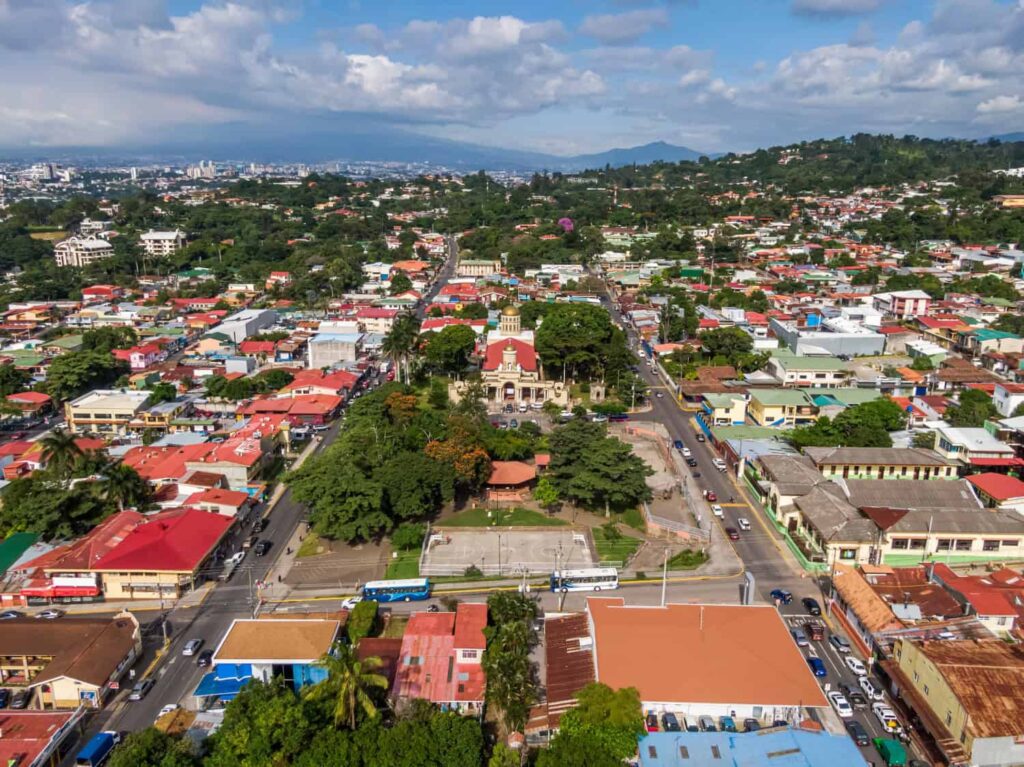
Paramaribo doesn’t reveal itself in an afternoon, but a good half-day walk gets you closer than any guidebook can. The same things still surprise people: the wooden architecture, the layered history, and the fact that a synagogue and a mosque sit side by side without anyone finding it remarkable. If you’re planning a Paramaribo City Tour, here is an overview of what can be seen, in roughly the order it is typically visited.
Why is Paramaribo on the UNESCO list anyway?
The historic city center earned its place on the Unesco Wereld Erfgoedlijst back in 2002. It’s one of the rare UNESCO World Heritage Sites where the urban structure itself, not just one building, is what’s protected. As a UNESCO Werelderfgoedgebied and full UNESCO werelderfgoed stad, the grid of streets, the timber houses in oud-koloniale stijl, and the layering of Dutch, Caribbean and tropical influences are all part of the colonial heritage being preserved. This is mentioned upfront because it changes how you look at the place. The monumental buildings aren’t museum pieces; people still live and work in them.
Where does the City Tour Paramaribo usually start?
A typical tour meets at Independence Square (Onafhankelijkheidsplein), with the Presidential Palace at one end and the Hof van Justitie a short walk away. The Presidentieel Paleis is striking up close, white-painted wood with the weather-beaten look that most historische gebouwen here share. It used to house Nederlandse gouverneurs in colonial days, which is partly why the proportions feel oddly European. Behind the palace sits the Palmentuin, a quiet palm garden that works as a five-minute pause before the next stretch.
From there, the walk continues to Fort Zeelandia. The museum Fort Zeelandia covers the early Dutch period, slavery, and more recent political history that Surinamers themselves don’t always agree on.
Verken het historische hart: market, monuments and a contrast
A walk through the Centrale Markt is next, even if you’re not buying anything. It’s the easiest place to feel the cultural diversity that defines Suriname: Javanese stalls beside Hindustani vendors beside Maroon traders. Near the river you’ll see the Kwakoe standbeeld, a monument to emancipation that locals still gather around. If time allows, a visit to Abra Broki is possible. It’s less polished, more lived-in, and a useful contrast to the postcard streets near the palace. The Numismatisch museum is nearby for guests who care about the coinage side of Surinamese history.
The places of worship that surprise almost everyone
This is the part most guests remember. Paramaribo is one of the few cities where a Jewish synagogue and a mosque share the same plot of land, with shared parking and zero drama. A short walk away, the Sint Petrus en Paulus kathedraal (also known as the St. Peter and Paul Cathedral or HH Petrus en Paulus kathedraal) is the largest wooden basilica in South America. The houten basiliek smells faintly of cedar inside and stays surprisingly cool. Within a few blocks you also pass Hindu temples, smaller chapels and prayer houses. The places of worship here aren’t a tourist set piece; they’re just how the city is laid out.
Praktische informatie before setting off
A few things to consider before this city walk:
- Wear actual shoes, not flip-flops. The sidewalks are uneven.
- Bring muggen repellent for the late afternoon, especially near the river.
- Cash is useful at the Centrale Markt; card machines are hit and miss.
- The Numismatisch museum has shorter hours than its website suggests, so the route can be adjusted if it matters to you.
Airport pickups with VIP lounge access can be added on request.
Booking, dates and what the form actually asks
If anything’s missing, the form will flag “Vul alle verplichte velden in” before letting you continue. Most Free City Walk variants have a minimum aantal deelnemers of two. For guests who’d rather stay nearby, plenty of moderne hotels are within walking distance of the start point, and short add-ons like a quick Corner House or Urban City stop fit easily into the day.
The honest reason this tour is so enjoyable is the city itself. Paramaribo is one of those places that quietly grows on you while you walk through it. Paramaribo is one of those places that quietly grows on you while you walk through it.
Read also: Paramaribo & the city — the wooden city centre, the markets and city tours.
Frequently asked questions
How long does the Paramaribo City Tour take?
About three to four hours at a comfortable pace, including Fort Zeelandia, the Presidential Palace, the Centrale Markt and the main places of worship. If you want to go inside the museum Fort Zeelandia or take your time at the Numismatisch museum, add another hour. The route is not rushed, because half the experience is stopping at the Kwakoe standbeeld or the Palmentuin and actually noticing where you are. A shorter city walk focusing on the historic city center and the main monumental buildings is a good option if you only have a morning.
Is this a walking tour or are there transfers?
It's mostly a city walk, since the historic core of Paramaribo is compact enough to cover on foot. Vehicles are often used for the longer stretches, for guests who'd rather not walk the whole route, and when the weather turns. A typical Paramaribo City Tour starts on foot at Independence Square, moves through Fort Zeelandia and the cathedral area, followed by a walk or drive to the Centrale Markt and Abra Broki. For those staying at one of the moderne hotels nearby, pick-up services are often available to start the city walk from the hotel.
What's the best time of year for it?
The dry season runs roughly February to April and again from August to November, and that's when temperatures and humidity feel most manageable for a guided tour. That said, City Tours of Paramaribo are available year-round. Rain in Paramaribo rarely lasts long, and the rainy months still have plenty of clear hours. Mornings are usually cooler and the light on the wooden architecture is at its best, so starting around 9:00 is often suggested. For cruise passengers with a tight window, start times can be adjusted to the ship's schedule.
Do you offer the tour in English?
Yes. Tours are typically available in Dutch, English and Sranan Tongo, and guides switch comfortably between them depending on the group. Tour info, written materials and the practical briefing at the start are often available in English on request. For mixed groups of Dutch and English speakers, commentary can be provided in both languages. For travelers who prefer a quieter, language-tailored experience, private tailor-made journeys with a guide matched to your language can also be arranged.
Can a city tour be combined with other tours?
Easily, and most guests do. The Paramaribo City Tour pairs well with day trips outside the capital, longer routes towards Kaieteur Falls in Guyana, or a coastal trip to Galibi Strand to see the sea turtles in season. Shorter add-ons like a Corner House stop or a quick Urban City segment fit into the same day without making it feel rushed.
Is it necessary to book the Paramaribo City Tour in advance?
Yes, it is recommended, especially in the dry season when cruise stopovers fill up the morning slots. A day or two ahead is usually enough, but for groups of four or more it's safer to confirm earlier.
Is the tour suitable for kids and older guests?
Yes, with a small caveat. The route is mostly flat, but it's a real city walk over uneven sidewalks for a couple of hours. The pace is adjusted for the group, with breaks in the Palmentuin or near the Kwakoe standbeeld, and a switch to a vehicle for longer stretches when needed. For guests with limited mobility, a tailor-made journey can be arranged that covers the same monumental buildings with less walking.
Are the museums and places of worship open during the tour?
Most are, but opening hours shift around public holidays and religious dates. The museum Fort Zeelandia and the Numismatisch museum keep daytime hours; the Sint Petrus en Paulus kathedraal is usually open outside service times. Schedules are typically checked the week of the tour and the order may be rearranged if something is closed, so the city walk still flows naturally.
Can we take photos inside Fort Zeelandia and the cathedral?
At Fort Zeelandia, yes, with the usual exceptions in certain exhibition rooms (signs make it clear). Inside the houten basiliek, photos are fine when no service is on, but guests are asked to keep it quiet and skip flash. The Jewish synagogue and Hindu temples have their own rules, which local guides will explain before entry.
What happens if it rains during a Paramaribo City Tour?
Tours are usually not rescheduled for rain. Tropical showers here are short and intense, then it clears. Bring an umbrella and plan indoor stops at the Hof van Justitie area, the cathedral or one of the museums until the rain eases. If a serious storm rolls in, the tour can be moved to another date during your stay.